How Care Home Teams Maintain Nutrition and Hydration for Residents
Maintaining good health is extremely important in later life. A balanced, nutritional diet plays a key role in supporting health and well-being, especially as dietary needs can change over time. If these needs are not properly met, it can lead to poor nutrition, dehydration and unintentional weight loss.
In this blog, we will explain why good nutrition and hydration are important and how care homes in Andover implement this throughout their daily routines to ensure residents enjoy the highest quality of life possible.
The Importance of Good Nutrition and Hydration in Care Homes
It is natural for individuals in the later stages of life to face a change in diet. Older adults may feel a lack of appetite, experience difficulty with chewing or swallowing and find that their taste changes. If these factors are not managed properly, this can lead to a risk of malnutrition as residents' diets may not contain the correct balance of nutrients.
Malnutrition symptoms can include:
- Muscle weakness
- Lack of energy
- Decreased wound healing time
- Decreased body weight
- Hair loss
- Changes in behaviour or mood
- Increased falls
Care home teams are trained on the signs of malnutrition or dehydration and respond promptly if they spot any signs. By prioritising healthy and enjoyable eating and drinking experiences, teams can significantly improve residents' quality of life and support their long-term health.
What Are Fortified and Modified Diets and How Do They Contribute To Overall Health?
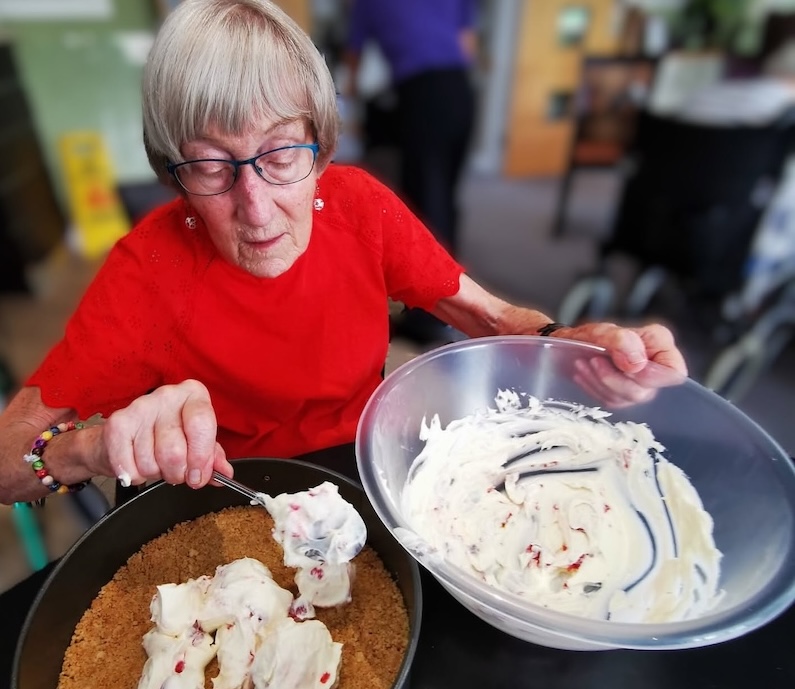
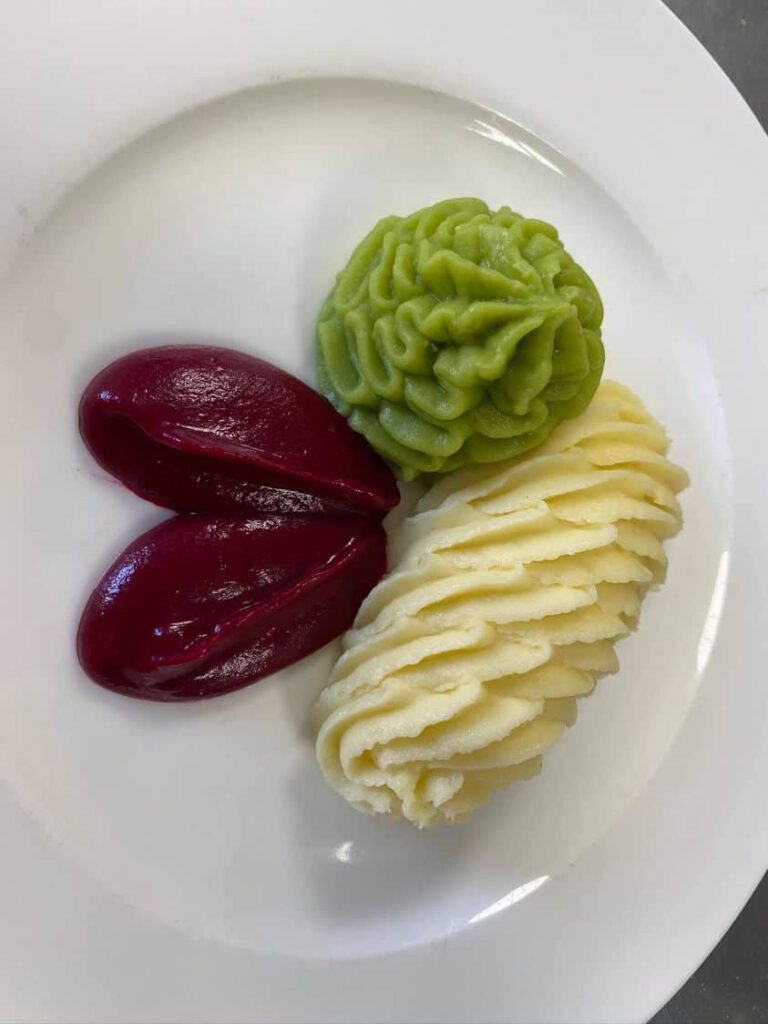
Modified and fortified diets are used when residents require extra support to meet their nutritional needs safely and comfortably. A fortified diet adds additional energy and protein to everyday meals and snacks without increasing portion sizes. On the other hand, a modified diet changes the texture or consistency of food and drinks for residents who have chewing or swallowing difficulties. For residents with difficulties with swallowing or certain textures, the catering team still strive to ensure their meals look appealing to ensure they maintain their dignity and enjoyment around eating. Together, these approaches can make mealtimes safer and more manageable, while still helping residents enjoy food that is nutritious, appealing and tailored to their individual needs.
How Care Home Staff Support Residents’ Nutrition and Hydration
When a resident moves into a care home, the care home staff play an essential role in supporting their nutrition and hydration needs. When they move in, the team will work with residents and their loved ones to create a nutritional passport that outlines all aspects of their diet, including likes and dislikes or specific dietary requirements. The nutritional passport becomes part of their care plan that follows them throughout their entire journey and is updated as their needs change.
Some residents don't enjoy eating 3 set meals a day, so care homes support them with maintaining a regular, healthy diet with snack stations. This gives residents the choice to help themselves at regular intervals during the day in a pressure-free environment.
The Benefits of Good Nutrition and Hydration for Care Home Residents
Nutrition and hydration support offer significant benefits for emotional well-being. Mealtimes are a great opportunity for residents to engage with like-minded individuals while enjoying a meal together. This can reduce loneliness and isolation, as encouraging residents to eat in a communal environment can boost social interactions in other areas of the home.
They also support residents to enjoy better physical health. When they are enjoying regular meals with the correct nutrients, it supports them in feeling more confident and energised throughout daily life. It also allows residents to just focus on doing the things they love most, as they know the rest is being taken care of.
Structured meal times also assist residents living with cognitive conditions such as dementia. By providing a familiar dining experience, this can help residents feel at ease with their surroundings and look forward to upcoming meals.
The Impact of Dining Environments on Nutrition and Well-being
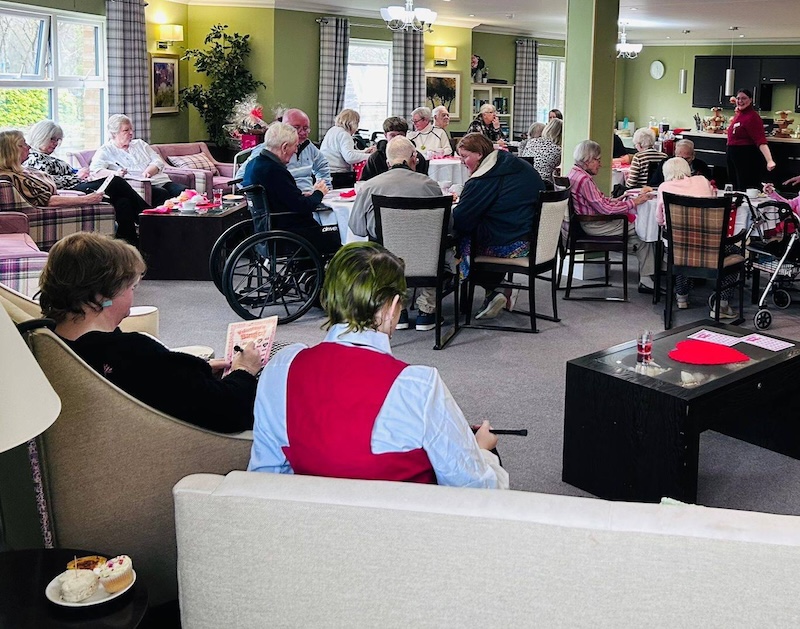
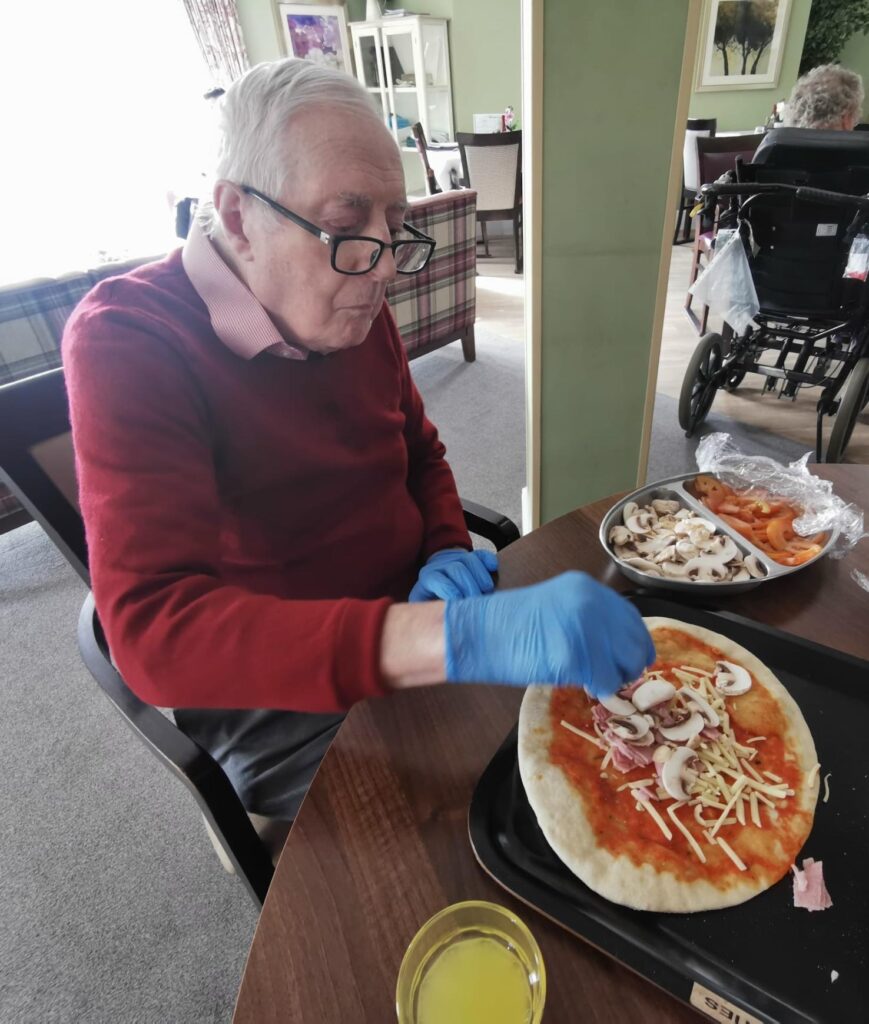
Residents' nutrition, hydration, and general well-being can all be greatly impacted by the setting in which they eat. Establishing a pleasant mealtime environment in care homes can motivate residents to eat and drink more frequently and to enjoy their meals.
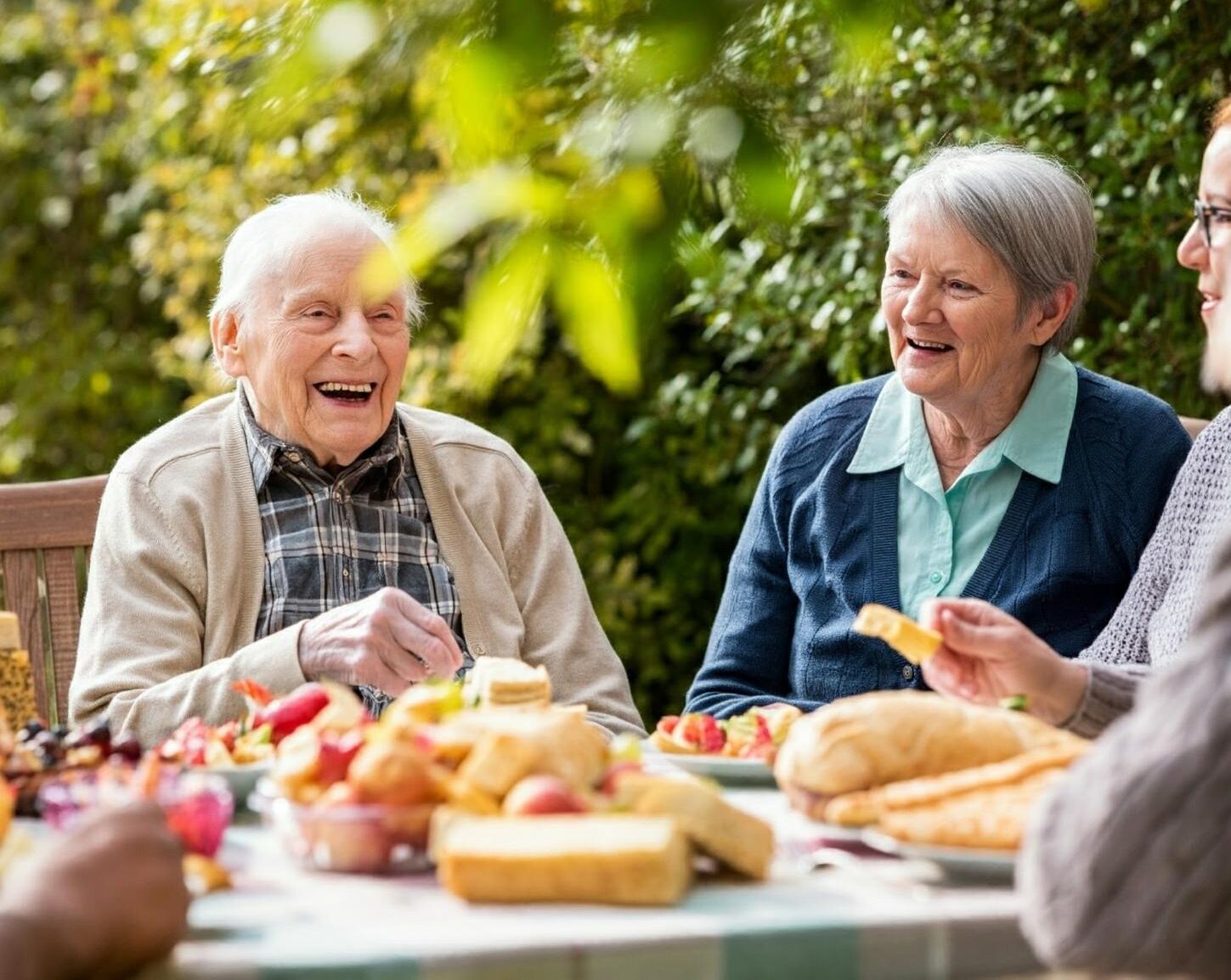
In addition to indoor dining areas, access to outdoor spaces in the summer months can further enhance the mealtime experience. Fresh air and a change of environment can help keep eating and drinking interesting, especially with the changes that the seasonal menus bring.
Working with External Professionals to Support Nutritional Needs
To provide the highest standard of care, care home staff often work closely with external healthcare professionals to support residents’ nutritional needs.
Care homes often collaborate with:
- Dietitians
- GPs
- Speech and language therapists
- Hospital teams
These external professionals can assist in providing advice on nutritional supplements, modified diets and supporting residents who may have dysphagia or even allergies. Working with a variety of external professionals can help residents feel supported and at home from the moment they move in.
Supporting Residents to Live Well Every Day at Harrier Grange
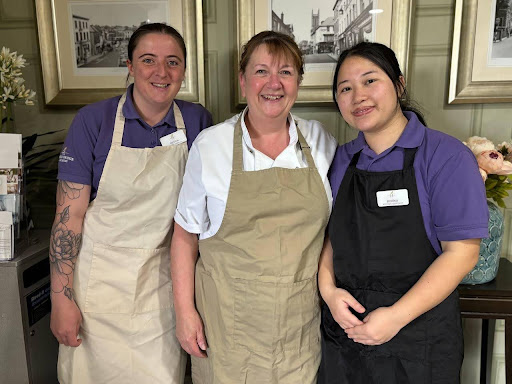
At Harrier Grange Care Home, we are committed to ensuring our residents enjoy the highest quality of life possible. All our chefs work together to make delicious, varied meals with fresh produce that is tailored to our residents' needs and interests. Our menus change with the seasons, but we always make sure to uphold traditions such as fish and chips on a Friday and a roast dinner on a Sunday. Each meal will also include multiple food choices, so residents can eat what they fancy most at the time.
Our care home in Andover can support those who require residential care, dementia care, nursing care, respite care and palliative care. Every aspect of our home is thoughtfully considered to ensure the services we offer are exceptional. All of our team members are trained to recognise and promptly respond to those who may be experiencing malnutrition or dehydration, so residents and their loved ones can enjoy peace of mind that they can focus on doing the things that bring them joy while we take care of the rest.
Al fresco dining in our private gardens is encouraged during the warmer months and residents are always welcome to eat where they feel most comfortable, whether that's in our communal dining rooms, in one of our lounges or in their private bedroom.
To learn more about how we support our residents with their hydration and nutrition needs or to see the first-class environment we offer here at Harrier Grange, get in touch and book a tour. We can't wait to meet you.