How Do Care Homes Support Independence?

Moving into a care home does not have to mean giving up independence. In the right setting, care homes can provide support that helps residents keep control over their daily lives, maintain confidence and continue making choices that matter to them. When support is shaped around the individual, independence can still be a central part of everyday living.
In this blog, we will explore the ways that care homes promote independence for their residents and how this impacts their overall well-being.
Why is Independence in a Care Home So Important?
For many people, independence is closely linked to dignity and self-esteem. Families often worry that a care home will mean less freedom for their loved one, but a good quality care home aims to do the opposite. The right approach creates balance, offering support where it is needed while still encouraging residents to do as much as possible themselves.
That balance is important because independence is not only about practical tasks. It is also about being heard and living life in a way that reflects individual preferences.
Person-Centred Care
A person-centred approach is one of the most important ways a care home can support independence. When a resident moves in, the team work with them and their loved one to create a personalised care plan that reflects every aspect of their life. Rather than treating everyone in the same way, staff focus on their routines, abilities, interests and preferences to shape the care they provide.
When residents are involved in decision-making, they are more likely to feel respected and settled. Small daily choices can still make a big difference, whether that is deciding when to get up, what to wear, or how to spend time during the day. These choices help residents maintain a strong sense of autonomy even when they need support from others.
Independence in Personal Care
Care homes support independence by helping with practical tasks in a way that encourages residents to remain as involved as possible. This means finding out which aspects of daily life residents want to have control over and others they may require more support in. Even if they require around-the-clock medical care, the team can still work on giving residents control in the areas that matter most. The aim is never to take over unnecessarily, but to provide the right support at the right time.
This approach can help residents maintain confidence because they still feel active in their own lives. For example, a resident may need help getting ready in the morning but still chooses their clothes or decides what they want to have for breakfast.

Choice Within Daily Activities
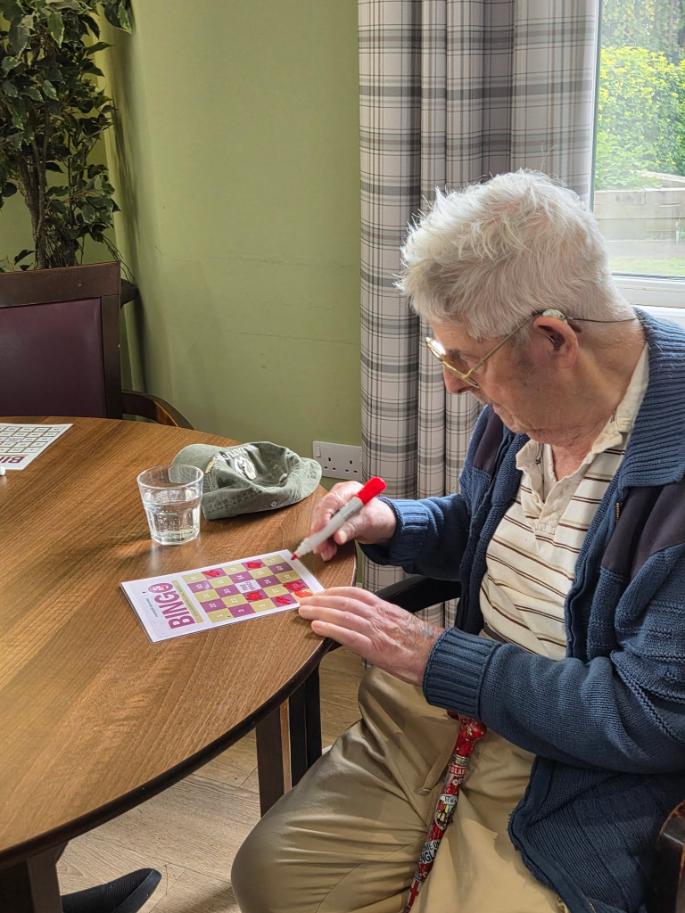
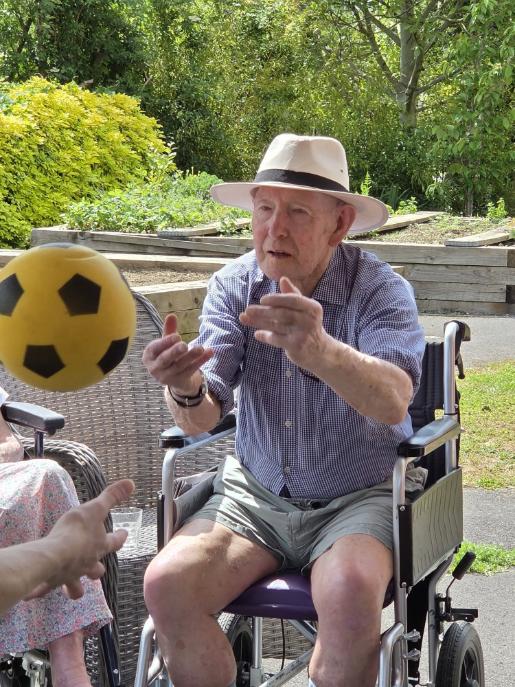
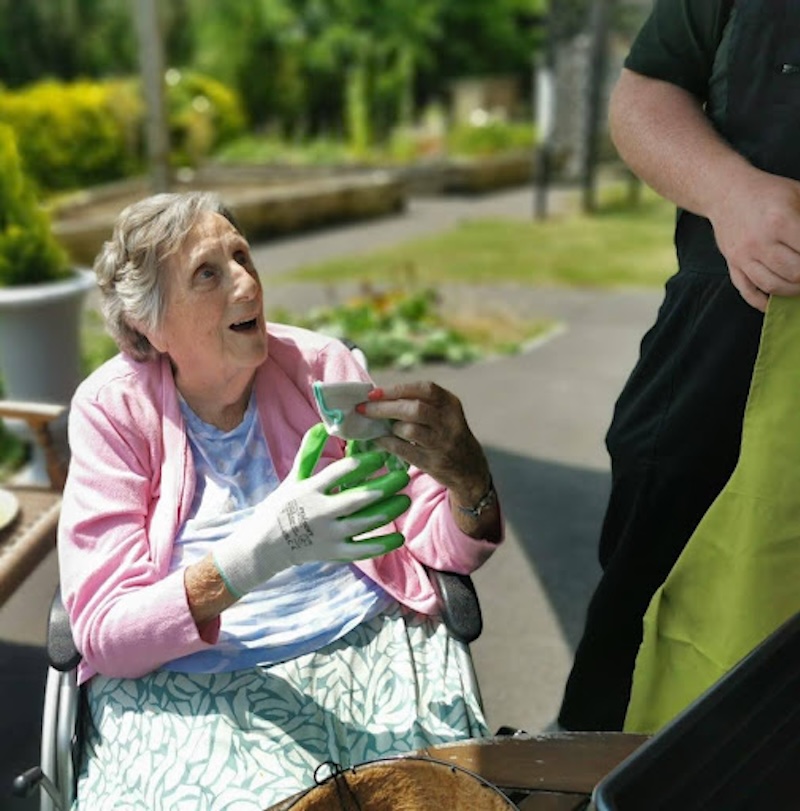
As well as having control over routines and personal care, it is important for residents to fill their days with the things they enjoy most. This can include encouraging residents to keep up with their hobbies or explore new interests through their varied activities programme. When people continue doing things they enjoy, they are more likely to feel like themselves. That sense of continuity can support mental well-being and help residents settle into care home life more comfortably.
Creating a Supportive Living Environment
The physical environment of a care home can also support independence while reducing unnecessary risks. Clear layouts, accessible spaces and adaptive equipment can help residents move around more safely and confidently.
This is especially important for older adults living with health conditions that affect their mobility or balance. A supportive environment allows people to make their own choices while feeling reassured that assistance is nearby if needed. That combination of safety and freedom is often what has a transformative impact on quality of life.
A Typical Care Home Day Full Of Independence And Choice
The best care homes don't follow a rigid schedule. They give residents the freedom to shape their day in ways that suit their preferences and energy levels, while still having support close by when needed. That balance helps maintain independence and respect their personal boundaries.
Morning
Mornings often begin at the resident’s own pace. Some people like to wake early and start the day quietly, while others prefer a slower start with time to rest before getting up. Residents may choose what to wear, when they are ready for breakfast, what they want to eat and whether they wish to enjoy their meal in their room or in a communal dining area.
This part of the day can be especially important for preserving dignity and sets residents up for the day ahead with a positive tone.
Late Morning
As the morning continues, residents can decide whether to join an activity, spend time in their room, or socialise with others. Some may enjoy light exercise, a craft session, or a gentle walk, while others may prefer a quieter time with a cup of tea and a conversation.
Residents are not expected to take part in everything, and they should always be encouraged to follow their own interests. This personal control can have a profound impact on resident well-being.

Lunchtime
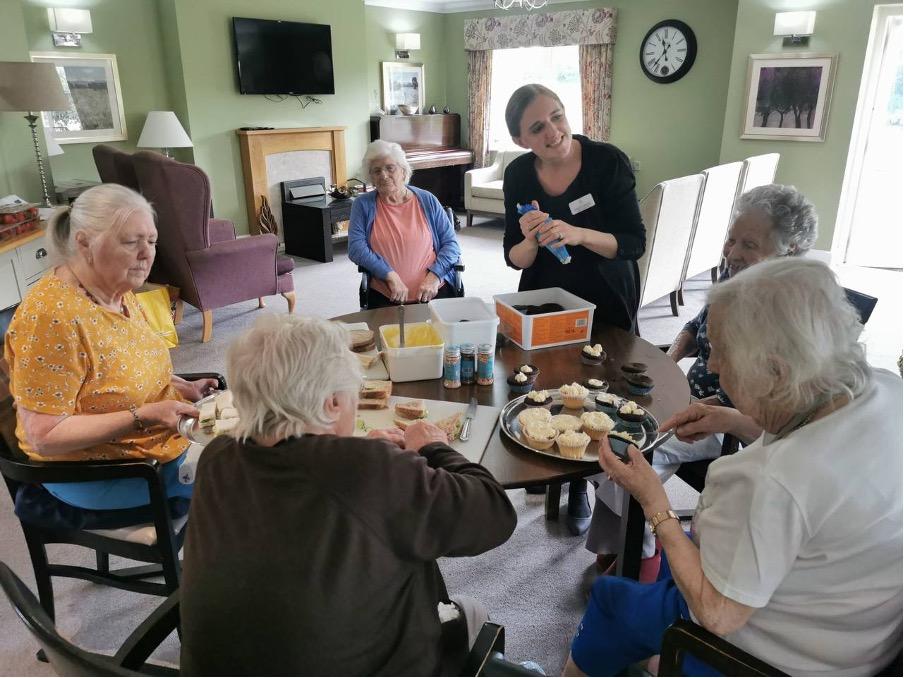
At lunchtime, residents are given a choice over their meal options and where they would like to eat. Some may enjoy a shared dining experience with other residents, while others may prefer a quieter setting. Having choice around food and routine helps reinforce the idea that residents still have an active say in their daily lives.
Support can be offered where needed, but the focus should remain on encouraging independence. Whether that means choosing from the daily menu or deciding their portion size, lunchtime can remain a positive and person-centred part of the day.
Afternoon
The afternoon is often a quieter time, and residents may use it in different ways depending on their preferences. Some may want to rest in their room, spend time with visitors, or quietly enjoy a hobby they have always loved. Others may prefer to take part in a group activity or sit in a shared area and talk with like-minded individuals.
This flexibility is important because it allows residents to prioritise their personal identity and live in a way that feels natural to them.
Evening and Night Time
Evenings in a care home should feel calm, comfortable, and familiar. Residents may choose to watch television, read, listen to music, or enjoy some supper before settling for the night. Some may like an early evening routine, while others may prefer to stay up a little later.
Many spend their evenings reflecting on the day they've had, and giving residents as much independence as possible can make a significant difference in how much fulfilment they feel.
The best care homes will ensure that even during the night, independence is respected. The aim is to support residents in a calm and unobtrusive way so they can rest well and begin the next day with confidence.
How We Empower Residents To Maintain Their Independence at Harrier Grange
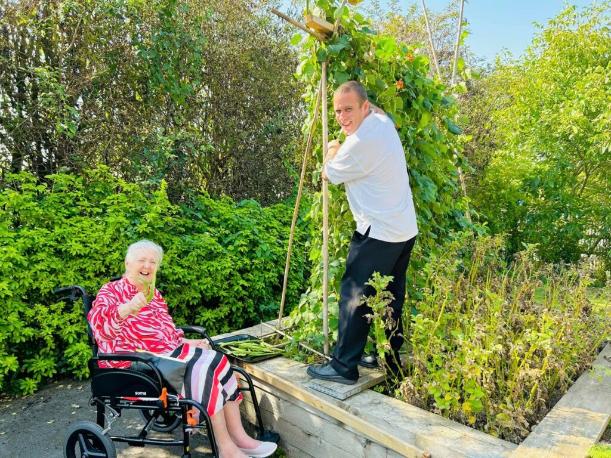
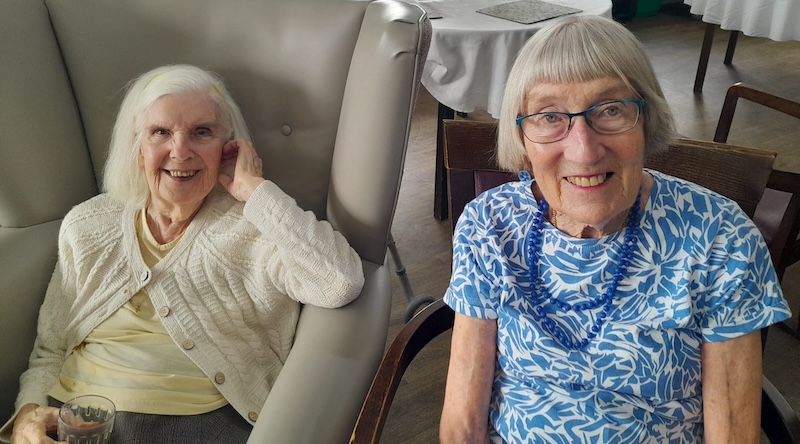
At Harrier Grange Care Home in Andover, supporting independence is a central part of providing person-centred care. We provide exceptional residential care, nursing care, dementia care, respite care and palliative care that are structured to ensure residents receive the right level of support while still being encouraged to maintain as much independence as possible.
With a supportive team, personalised care plans and a setting designed to feel reassuring, we help residents maintain their dignity and confidence while receiving the care they need. Throughout the day, they have unlimited access to our luxury facilities, including an entertainment & activities programme, private gardens, a salon & nail bar, cinema room and in-house transport that helps residents maintain social connections in the local community.
For families looking for a care home that values independence as much as first-class care, get in touch with us at Harrier Grange. We offer reassurance from the very start.