How to Write a Nursing Care Plan

Transitioning a loved one into a care home to receive nursing care is a deeply personal decision, often accompanied by questions about how their health and well-being will be supported every day. One of the most reassuring aspects of nursing care is a detailed nursing care plan that follows residents throughout their entire care journey. This personalised plan outlines exactly how care will be delivered and adapted according to a resident’s needs. It ensures that every aspect of daily life, from medical treatment to emotional well-being, is thoughtfully considered by the care team. Understanding how to write a nursing care plan offers valuable insight into the person-centred approach that are integral to care homes in Andover.
What Is a Nursing Care Plan?
A nursing care plan is a structured document that guides how care is provided for a resident. It is developed collaboratively by the nursing team, residents, their loved ones and other healthcare professionals and is designed to ensure the care provided is consistent and tailored to their needs.
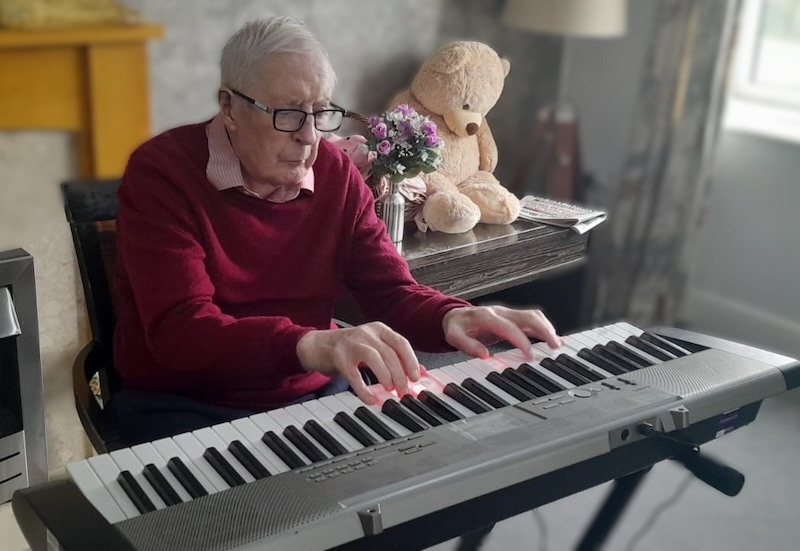
This comprehensive care plan includes each health condition that an individual is living with and tailored interventions, which help staff to monitor residents' progress and adapt their procedures as circumstances change. As well as physical health, each care plan outlines mental health needs, emotional support needs, dietary preferences and hobbies to ensure each resident's wishes are respected and they can continue to do what they love. Each support plan is detailed enough to ensure the care provided is consistent between care providers, yet flexible enough to evolve as residents' needs progress.
Why Are Nursing Care Plans Important?
Beyond describing medical or physical needs, a nursing care plan serves a further purpose. It enhances communication among health professionals, ensures the care and support offered is safe and provides clarity for family members who want to understand how their loved one is supported.
For residents, their care plan represents security and reassurance. It ensures that no aspect of their health or daily comfort is overlooked and that care is delivered consistently across shifts and members of the care team. For example, if one nurse records a change in a resident’s blood pressure or appetite, that information guides the nursing process for the rest of the team, enabling timely adjustments to interventions.
A well-written nursing care plan also supports better health outcomes by providing measurable goals and evidence-based practice across all aspects of care delivery. It allows staff to act proactively, which leads to residents receiving attentive care around the clock.
How to Write a Nursing Care Plan Using 'The Nursing Process'
When writing care plans, care home teams use a framework called the nursing process. It is a systematic approach consisting of 5 steps, which are assessment, diagnosis, planning, implementation and evaluation.
Assessment
The first step in the nursing process is assessment, where nurses gather a complete picture of the resident’s health and lifestyle. This involves collecting both objective data, such as vital signs and subjective data, such as their pain and comfort levels or values. During assessment, care homes will also have discussions with family members, review residents' medical history and observe their routine or how they manage daily activities. The assessment step creates a foundation for providing person-centred care to residents and ensures each individual is holistically considered from the moment they move in.
Diagnosis
Once the information from the assessment stage has been reviewed, the nursing team establishes a nursing diagnosis. This step identifies current and potential health concerns that can be managed through nursing care. A nursing diagnosis differs from a medical diagnosis because it focuses on how a resident's health condition affects their daily life and well-being rather than defining the condition itself. Common examples include a risk of falls, impaired mobility, or acute pain. By identifying these nursing diagnoses, nurses can determine which areas require intervention and support and others where residents may be able to maintain some independence.
Planning
The planning stage is where measurable and meaningful goals are created based on the nursing diagnoses. These goals are developed in partnership with the resident and their family members. They are designed to be specific and achievable, such as improving mobility, maintaining a healthy weight, or achieving regular sleep patterns. The planning process ensures that all members of the care team understand their role and share the same priorities, promoting seamless communication across staff and residents.
Implementation
Implementation is the stage where nursing interventions are put into action. These interventions may include wound care, medication management, pain management, assistance with exercises to maintain physical mobility, or emotional support to ease anxiety and promote comfort. Each nursing intervention is tailored to the resident’s needs and preferences. Thorough documentation is maintained as implementation happens to record all actions taken and monitor residents’ responses, which leads to accountability and continuity.
Evaluation
The final step in the nursing process is evaluation. This stage reviews whether the desired outcomes set during the planning stage have been achieved and assesses how effective the nursing interventions have been. Evaluation encourages reflection and ensures that the care plan remains relevant as residents’ health or personal circumstances evolve. If objectives are not met or new needs arise, the care plan is adjusted to reflect these changes. This continuous cycle of reviewing and updating ensures that every resident’s care remains responsive and focused on providing a continuum of care.

Key Principles That Guide a Nursing Care Plan
A comprehensive nursing care plan prioritises individualisation. No two residents are alike and each plan should reflect their unique needs and lifestyles. By adopting a person-centred care plan, residents are able to feel supported 24/7 while retaining as much independence and choice as possible.
Clinical excellence and critical thinking skills are also important. Nursing care demands both professional intuition and evidence-based practice so nurses need to use both observational skills and measurable goals to make informed decisions about care interventions.
One of the biggest principles to ensure effective care is communication. Seamless collaboration among care home teams and other health professionals ensures that changes in the resident’s health or behaviour are swiftly addressed. Open dialogue with family members provides reassurance and transparency, which also reinforces trust in the home.
Monitoring and Updating the Nursing Care Plan
A nursing care plan is not a static document, it evolves with time and circumstance. As residents experience changes in their condition, the nursing care and support plan is adjusted accordingly. This responsive approach ensures continuity and safety throughout the resident’s entire journey.
Regular reviews are arranged by the nursing team, often in consultation with healthcare providers such as physiotherapists, occupational therapists, or external specialists. Ongoing documentation holds each update and maintains a clear record of progress and any new strategies developed to maintain well-being. These updates reflect a commitment to proactive, preventative care rather than simply addressing problems as they arise.
Many care homes also use electronic health records and systems such as Nourish to store care plans. Using digital care plans means that everything needed is in one place, can be accessed by any necessary individuals and ensures consistent procedures. With paper care plans, they are easier to misplace or forget to update, whereas a digital care plan can provide reminders and show a log of who made updates and when.


Providing Person Centred Support for Better Outcomes
The true sign of an effective nursing care plan is how well it translates into daily practice. For residents, this means receiving care that feels attentive and adapted to their needs. The nursing team’s close involvement promotes feelings of reassurance and trust, while helping residents maintain confidence and independence in their daily lives.
Care planning also provides emotional benefits for family members, who gain comfort from knowing their loved one’s needs are assessed continually and handled with professionalism. It also means they can easily be updated on any changes in residents' conditions or quality of life.
Our Nursing Care at Harrier Grange Care Home
At Harrier Grange Care Home in Andover, our nursing team consists of experienced registered nurses and care assistants who take great pride in providing personalised, compassionate care guided by our nursing care plans. Every resident’s plan is developed through careful assessment and meaningful collaboration with families and external professionals to ensure we maintain exceptional standards of safety and well-being.
We believe that great nursing care goes beyond medical support. It creates stability, trust and respect, which are qualities woven into every aspect of daily life here at our Andover care home. Alongside our first-class nursing care, we also offer residential care, dementia care, respite care and palliative care and each resident will receive a care plan that outlines their unique needs and preferences.
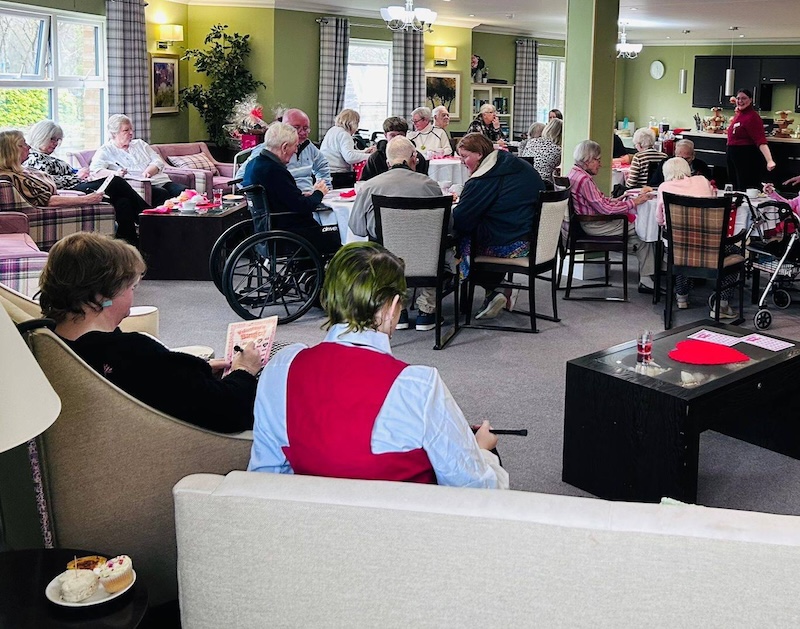
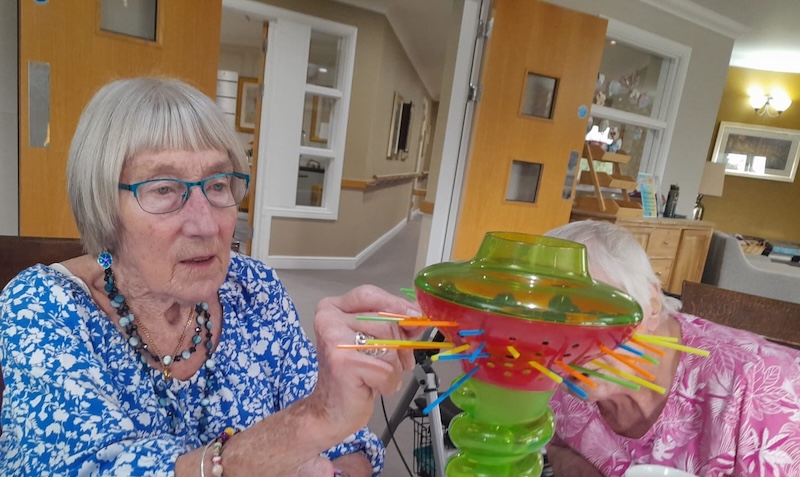
It is essential to us that no matter their needs, our residents are encouraged to do what they love most. We have a variety of on-site facilities and amenities that residents have unlimited access to, including private gardens, a salon & nail bar, a cinema, luxury transport, quiet lounges and a varied activities programme. We want our residents to consider Harrier Grange as their home away from home, so we work tirelessly to ensure our services are of the highest quality.
To learn more about our nursing care services, care plans or to come and see our luxury care home for yourself, get in touch and book a tour. We can't wait to meet you.